What you'll learn
- The present perfect uses has or have plus a past participle
- Why 'has gone' means it happened and is still true now
- When to use has (he, she, it) and have (I, you, we, they)
- Past participles like gone, seen and eaten, never 'has went'
- Using time clues like yesterday or already to choose went or has gone
- The difference between 'has gone' and 'has been'
What's inside
- Max's House: Where's Max?
- Helper Garden: Has or have?
- Picnic Hill: Tricky verb twins
- Clock Tower: Went or has gone?
- Detective HQ quiz (10 questions)
About this adventure
Then or Now? is a free interactive game that teaches children aged 7–9 the present perfect tense, including how 'he has gone out to play' differs from 'he went out to play'. It follows the Year 3 grammar objective in the UK National Curriculum for English.
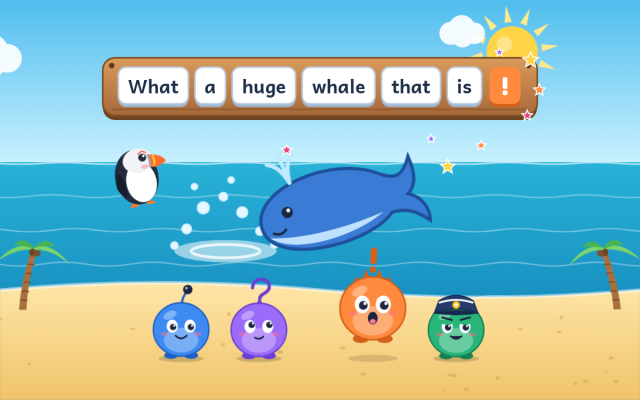
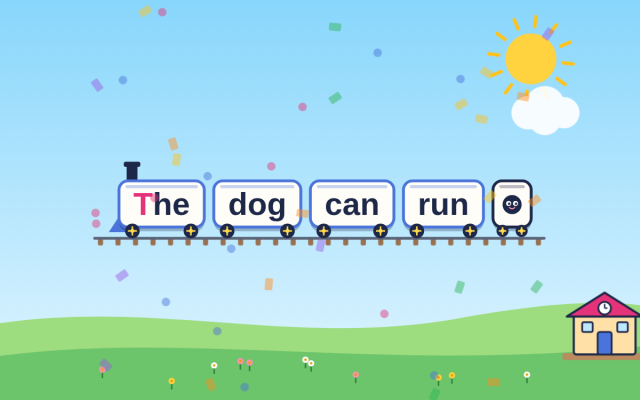
Players send Max out to play, then build the answer when his friend Zara knocks. They paint a fence and water flowers while choosing has or have. At a picnic, surprises such as a rainbow and a runaway kite introduce past participles like seen, flown and fallen. At the Clock Tower, they use a timeline and time clues to choose the right verb, then solve ten detective cases.
The present perfect is made from a helper verb (has or have) and a past participle. It shows that something happened and still matters now. Every instruction is read aloud, with captions on screen.
Questions and answers
What is the present perfect tense, in simple words?
The present perfect tense tells us that something happened in the past and still matters now. It is made with has or have plus a past participle, as in 'Max has gone out to play', which means he is still out.
What is the difference between 'he went out to play' and 'he has gone out to play'?
'He went out to play' describes a finished event at a time that is over, often with words like yesterday. 'He has gone out to play' tells us he left and is still out now.
Why is 'has went' wrong?
'Has went' is wrong because has and have must be followed by a past participle, not the simple past. Went is the simple past of go, so the correct form is 'has gone', just as we say 'has eaten', not 'has ate'.
What age is this present perfect game for?
The game is designed for children aged 7 to 9 and matches the Year 3 grammar objective in the UK National Curriculum for English. Older children who need a refresher on has, have and past participles can use it too.
What does the game include and how long does it take?
It has four short chapters and a ten-question detective quiz, with an animated introduction and ending. Playing everything takes about 30 minutes, and children can start from any chapter on the Tense Town map.