What you'll learn
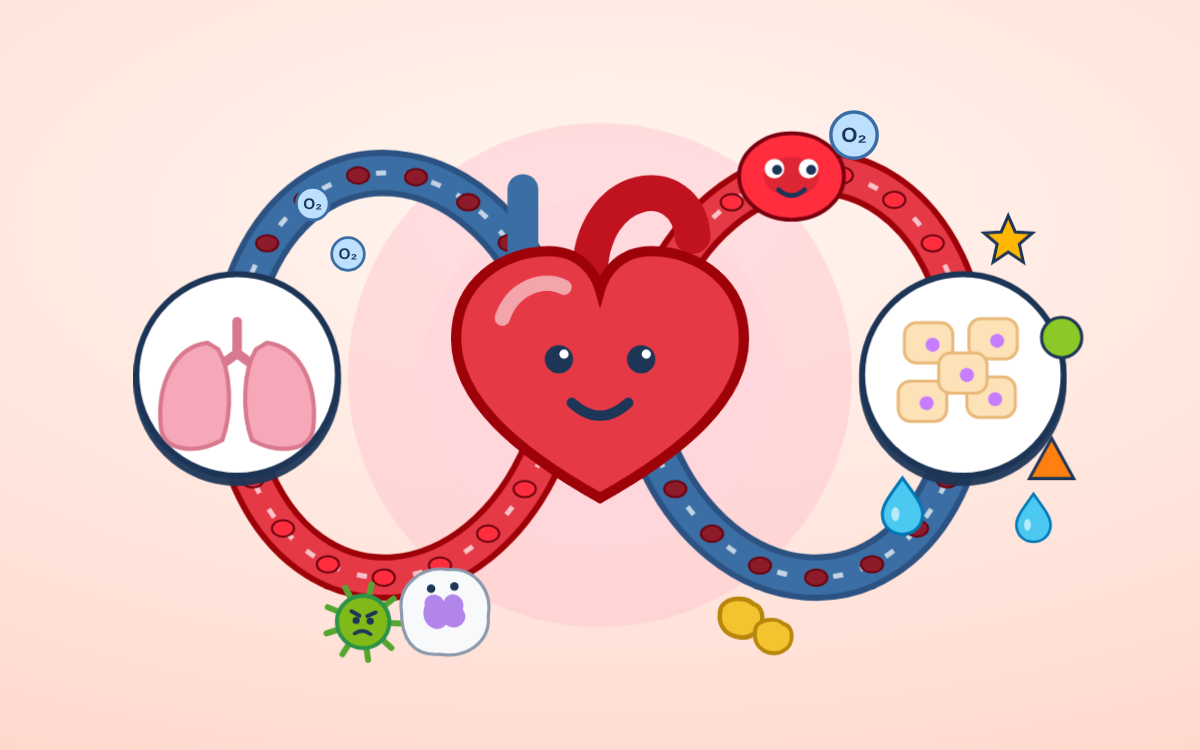
- Name the three parts of the circulatory system
- Explain how the heart pumps blood to the lungs and body
- What arteries, veins and capillaries each do
- What plasma, red and white blood cells and platelets do
- How digested nutrients and water reach every cell in blood
- Why blood is always red, even inside veins
Chapter by chapter
- Parts of the circulatory system
Year 6 science · 1
- The heart: pumping blood round the body
Year 6 science · 1
- Blood vessels: arteries, veins and capillaries
Year 6 science · 1
- Blood: its parts and their jobs
Year 6 science · 1 Year 6 science · 2
- Carrying nutrients and water round the body
Year 6 science · 2
- How other animals carry nutrients and water
Year 6 science · 2
- Circulation Champion quiz (10 questions)
What the chapters cover in the national curriculum in England:
- Year 6 science: Identify and name the main parts of the human circulatory system, and describe the functions of the heart, blood vessels and blood
- Year 6 science: Describe the ways in which nutrients and water are transported within animals, including humans
About this adventure
The Heart and Circulatory System is an interactive game that teaches children aged 9–11 what the heart, blood vessels and blood do, and how nutrients and water travel round the body, matching the Year 6 science curriculum in England.
Players tap, drag and steer as Rosie, a friendly red blood cell, narrates. They squeeze the heart to pump, send blood to the lungs for oxygen and back again, and sort arteries (away from the heart) from veins (back to the heart) and capillaries (tiny tubes that pass oxygen and nutrients to cells).
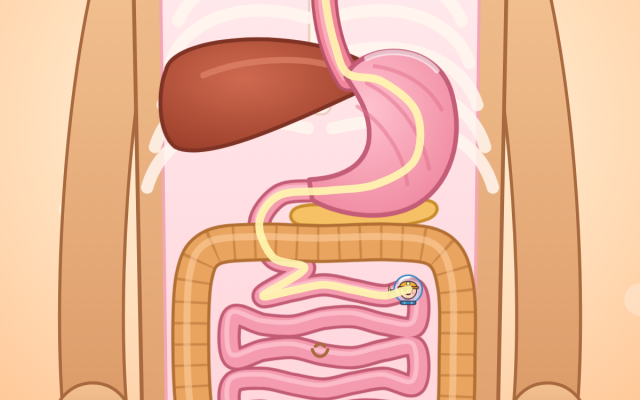
Along the way children clear up common mix-ups, such as the idea that blood in veins is blue or that the heart makes blood. A short warm-up recaps digestion and breathing first, and a final quiz with typed answers checks what they remember.
Questions and answers
What are the main parts of the circulatory system?
The circulatory system has three main parts: the heart, the blood vessels and the blood. The heart pumps, the blood vessels are the tubes blood travels through, and the blood carries oxygen, nutrients and water to every part of the body.
What is the difference between arteries and veins?
Arteries carry blood away from the heart, and veins carry it back to the heart. Arteries have thick, stretchy walls because blood is pushed through them hard, while veins have small valves that stop blood flowing backwards.
Is the blood in your veins blue?
No, blood is always red. Blood that has delivered its oxygen is a darker red, and veins only look blue because of the way light passes through your skin. Diagrams use blue simply to show blood that is low in oxygen.
What age is this circulatory system game for?
The game is designed for children aged 9 to 11 and follows the Year 6 science curriculum in England. Younger keen scientists can enjoy it too, because a narrator reads every line aloud and the tasks use tapping and dragging.
What does the heart game include and how long does it take?
It includes a short warm-up, six interactive chapters and a ten-question final quiz, taking about 45 minutes to play everything. Children can start any chapter from the body map and carry on later where they left off.





 TapLearn